Action-packed Anime has been the most intriguing genre amongst the others and as a medium has captivated masses of audiences worldwide, offering a diverse range of storytelling styles. While some anime of this genre focuses on long, adventure-driven narratives, others deliver gripping tales in concise, well-structured formats. This blog explores the differences between two primary styles: Long journey-based anime, such as Naruto and Dragon Ball Z, and Mini-series with intricate plots, like Attack on Titan and Death Note.
JOURNEY-BASED ANIME: THE LONG AND EPIC ADVENTURE
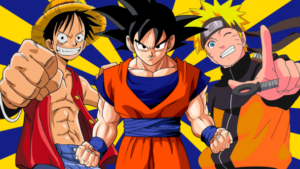

Journey-based anime, often characterized by their extensive world-building and episodic progression, take viewers on grand adventures. These anime usually follow a protagonist or a group of heroes as they grow stronger, face formidable foes, and undergo personal transformations.
Key Features of Journey-Based Anime
-
- Lengthy Storytelling: These animes tend to have hundreds of episodes spanning multiple seasons. They allow time for in-depth character growth and rich world-building.
-
- Character Evolution: The protagonist often starts as an underdog and gradually grows stronger through rigorous training, battles, and personal hardships.
-
- Extensive World-Building: The settings are vast, featuring diverse locations, powerful factions, and deep histories.
-
- Action-Driven Plot: Battles, tournaments, and conflicts play a crucial role in driving the story forward.
-
- Filler Episodes: Due to their long runtimes, they sometimes include filler episodes that deviate from the main story.
Examples of Journey-Based Anime
1. Naruto & Naruto Shippuden
Naruto follows Naruto Uzumaki, an outcast ninja striving to become the Hokage, the leader of his village. The anime explores themes of perseverance, friendship, and self-discovery. It spans over 700 episodes, including Naruto’s childhood and his battles as a young adult in Naruto Shippuden.
2. Dragon Ball Z
Dragon Ball Z takes viewers through the adventures of Goku as he defends Earth from powerful foes. With power-ups, legendary fights, and intergalactic threats, it remains one of the most iconic shonen anime of all time.
3. One Piece
This ongoing saga follows Monkey D. Luffy and his pirate crew as they journey across the Grand Line in search of the legendary One Piece treasure. With over 1000 episodes, One Piece is a masterclass in long-term storytelling.
MINI-SERIES WITH GREAT PLOTS: COMPACT AND IMPACTFUL

Unlike journey-based anime, mini-series are tightly woven narratives that aim to deliver a complete story within a limited number of episodes. They often feature complex plots, psychological depth, and unexpected twists, making them compelling for audiences who prefer concise storytelling.

Key Features of Mini-Series Anime
-
- Shorter Episode Count: Typically ranging from 12 to 50 episodes, these anime focus on telling a complete story without unnecessary fillers.
-
- Intricate and Thought-Provoking Narratives: The plots often involve mind games, mysteries, and moral dilemmas.
-
- Fast-Paced Development: With limited episodes, the story progresses quickly, keeping viewers engaged.
-
- Strong Emotional Impact: Many mini-series leave a lasting impression through deep themes and powerful endings.
-
- Tightly-Written Characters: Every character serves a specific purpose, with little room for unnecessary arcs.
Examples of Mini-Series Anime
1. Attack on Titan
With just 4 seasons and 80+ episodes, Attack on Titan offers one of the most gripping and unpredictable narratives in anime history. The story follows Eren Yeager and his friends as they fight monstrous Titans while uncovering political conspiracies and secrets about their world.
2. Death Note
At only 37 episodes, Death Note presents an intellectual battle between Light Yagami, a high school genius with a god complex, and L, a world-renowned detective. The series keeps viewers on the edge of their seats with its intense cat-and-mouse game.
3. Code Geass
With 50 episodes split into two seasons, Code Geass follows Lelouch vi Britannia, a revolutionary leader who wields the power of Geass to overthrow a tyrannical empire. The series blends strategic warfare, politics, and powerful character arcs.
WHICH TYPE OF ANIME IS BETTER?
Choosing between journey-based anime and mini-series depends on personal preference.
-
- If you enjoy long-term character development, epic world-building, and thrilling battles, then journey-based anime are perfect for you.
-
- If you prefer short yet impactful stories filled with suspense, moral dilemmas, and deep themes, mini-series are the way to go.
Both styles have their strengths and cater to different audiences, but what makes anime truly special is its ability to captivate us with unique storytelling, regardless of its length. Whether you’re in for a grand adventure or a thrilling mind game, anime offers something for everyone.