Anime is a unique and vibrant form of animation that originated in Japan and is characterized by its colorful artwork, fantastical themes, and diverse storytelling. Unlike traditional Western cartoons, anime caters to a wide range of audiences, from children to adults, often exploring complex themes such as love, friendship, morality, and existentialism.

With genres spanning action, romance, horror, and slice-of-life narratives, anime has gained immense global popularity. It transcends cultural boundaries through platforms like streaming services and conventions while fostering a passionate community of fans who appreciate its intricate plots and artistic expression. Let’s dive deep into the ANIMEREALM and realize how anime has managed to attract a global target audience of all age groups, whether a small kid, a teenager, or an adult through its two key genres.
SLICE-OF-LIFE AND COMEDY ANIME
Series like Doraemon, Shinchan, Kochikame, and Ninja Hattori stand out for their unique storytelling and appeal and are often infused with fantasy and adventure elements. These shows focus on everyday experiences, delivering humor and life lessons through relatable characters and scenarios. Following are some of the famous animes of this genre:
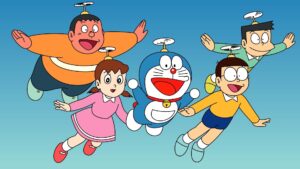
Doraemon
Doraemon centers on a robotic cat from the future who aids a young boy, Nobita, with futuristic gadgets to navigate life’s challenges. The series emphasizes friendship, problem-solving, and moral lessons, making it a beloved family show.
Shinchan
Shinchan follows the antics of a mischievous five-year-old boy, Shinnosuke Nohara. Known for its humor and satirical take on family life, the series offers a lighthearted yet insightful look into everyday situations.

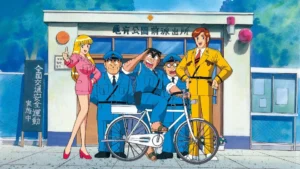
Kochikame
Kochikame chronicles the daily life of Kankichi Ryotsu, a middle-aged police officer in Tokyo. The series blends comedy with social commentary, portraying the humorous side of law enforcement and urban life.
Ninja Hattori
Ninja Hattori tells the story of a young ninja, Hattori, who befriends a regular boy, Kenichi. Through their adventures, the series imparts lessons on discipline, friendship, and the clash between traditional and modern values.

ACTION AND ADVENTURE ANIME
In contrast, series like Naruto, Death Note, Attack on Titan, and Dragon Ball Z are characterized by intense action, complex plots, and themes showcasing conflict and personal growth. These shows often target a teenage and adult audience, offering intricate storylines and character development. Following are some of the most popular animes of this genre:
Naruto
Naruto follows the journey of Naruto Uzumaki, a young ninja striving to become a Hokage (The leader) of his village (KONOHA- Village hidden in the Leaves). The series delves into themes of perseverance, identity, and the pursuit of dreams, set against a backdrop of ninja warfare and political intrigue.

Death Note
Death Note is a psychological thriller in which the moral implications of absolute power are explored magnificently. The story revolves around a high school student named Light Yagami who gains a supernatural notebook that allows him to kill anyone by writing their name in that notebook, leading to a cat-and-mouse game with a brilliant detective who goes by the alias L.

Attack on Titan
Attack on Titan presents a dystopian world where humanity fights for survival against colossal humanoid creatures. The series revolves around Eren Yeager who in a very remarkable way starts off as a protagonist but as the series continues, eventually becomes the antagonist. This mini series is known for its intense action sequences, complex characters, and exploration of freedom, sacrifice, and the true human nature when survival instincts kicks in.

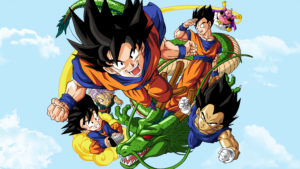
Dragon Ball Z
Dragon Ball Z chronicles the adventures of Goku and his friends, also known as Z Warriors as they defend Earth from various inter-galactic threats. The series is renowned for its epic battles, character transformations, and themes of heroism and the quest for greater strength.
KEY DIFFERENCES BETWEEN THE TWO

- Target Audience:
Slice-of-life and comedy anime like Doraemon and Shinchan are aimed at children and families, offering light-hearted entertainment. In contrast, action and adventure series like Naruto and Death Note cater to older audiences, providing more mature and complex narratives. - Themes:
The former group focuses on everyday life, humor, and moral lessons, often depicting relatable scenarios. The latter delves into themes of conflict, personal growth, and existential questions, often set in fantastical or dystopian worlds. - Narrative Structure:
Slice-of-life series typically have episodic structures with self-contained stories, allowing viewers to enjoy episodes independently. Action-oriented series often feature serialized storytelling with overarching plots that require sequential viewing for full comprehension. - Character Development:
While both genres offer character development, action series place a stronger emphasis on character arcs, growth, and transformations, often through trials and battles. Slice-of-life series focuses on character interactions and daily experiences, highlighting personal relationships and societal observations.
In summary, while both anime categories offer unique appeals, they cater to different tastes and age groups. Slice-of-life and comedy anime provide lighthearted, relatable content suitable for all ages, whereas action and adventure series offer complex, thrilling narratives that engage viewers seeking deeper storytelling.